PROMPTS
1346 original and curated AI prompts across image, video, music, and tutorials. Browse by tool, use case, and difficulty; each entry shows its available notes and examples.
Filters1 activeExpandCollapse
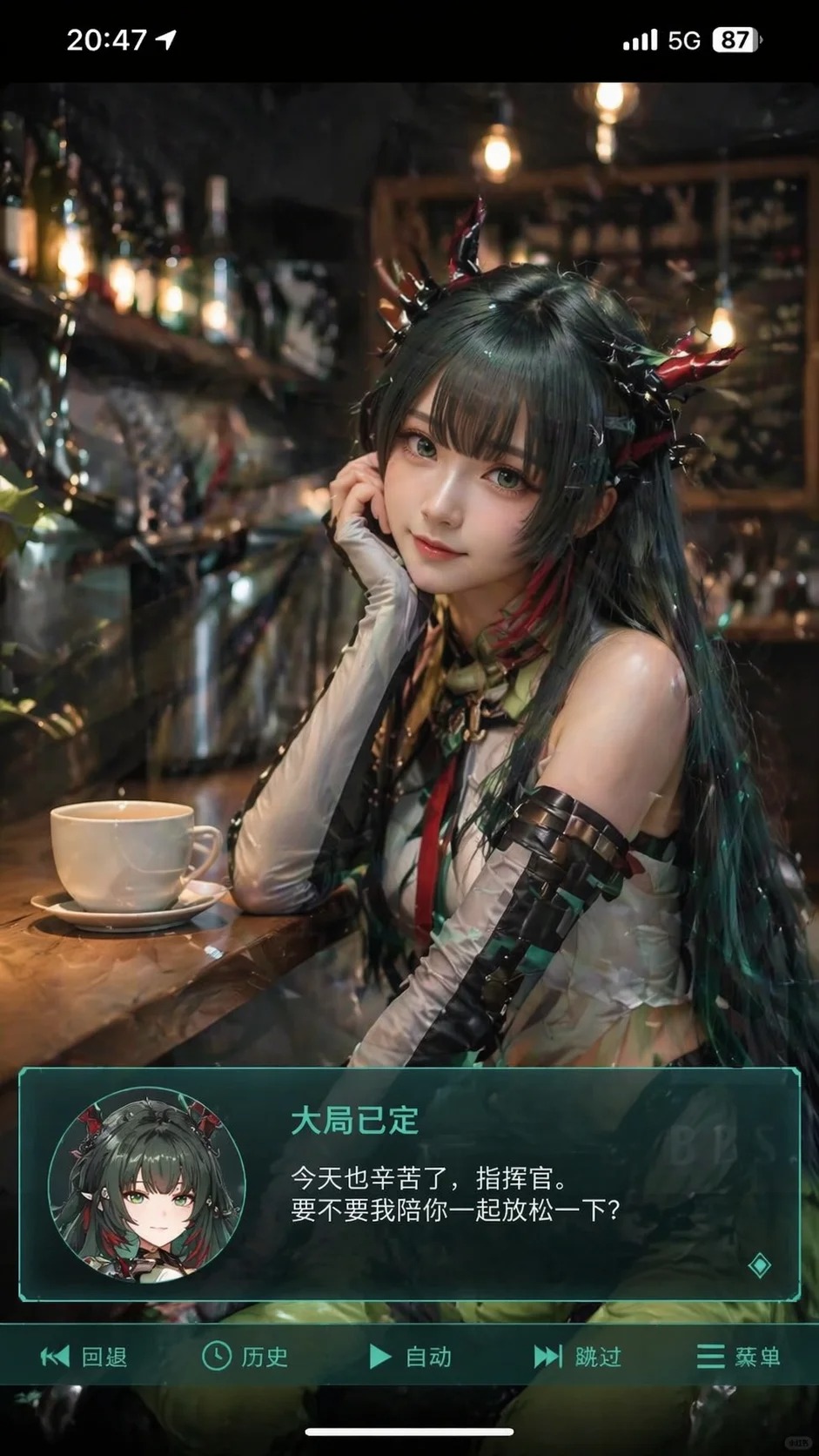 PRO01
PRO01App Interface Mockup
Generate a vertical, phone-screenshot-style image with an aspect ratio close to 9:16. Slightly above center is a real-life cosplayer portraying the anime character from the uploaded reference image. The character is rendered in a realistic style, but with facial features that are slightly…
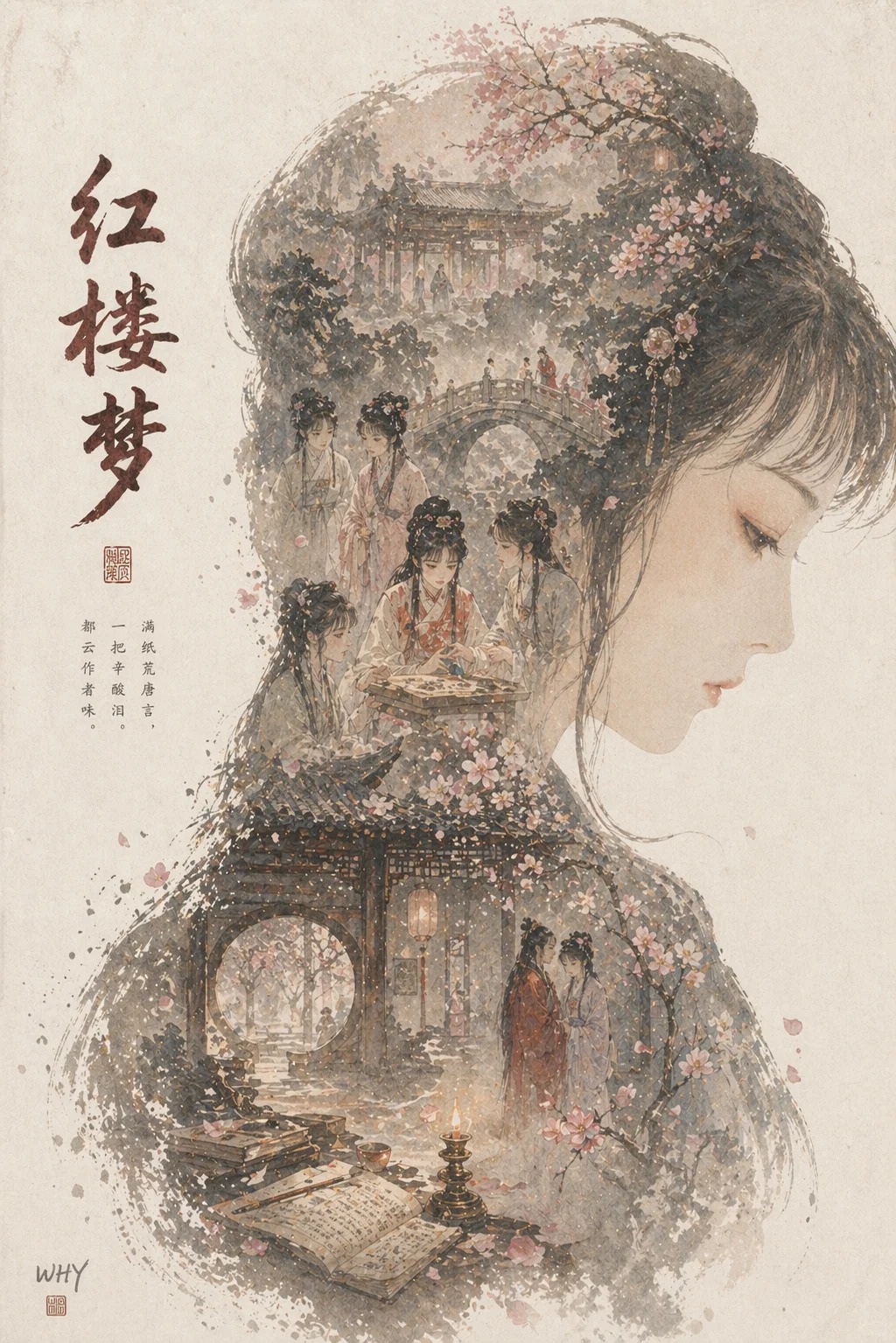 PRO02
PRO02Theme-Based Poster Layout Design
Automatically generate a collector's-edition epic narrative poster based on [THEME]: a towering, elegant character-profile silhouette forms the outer contour, and within the silhouette grows a complete world matching the theme — landmark scenes, characters…
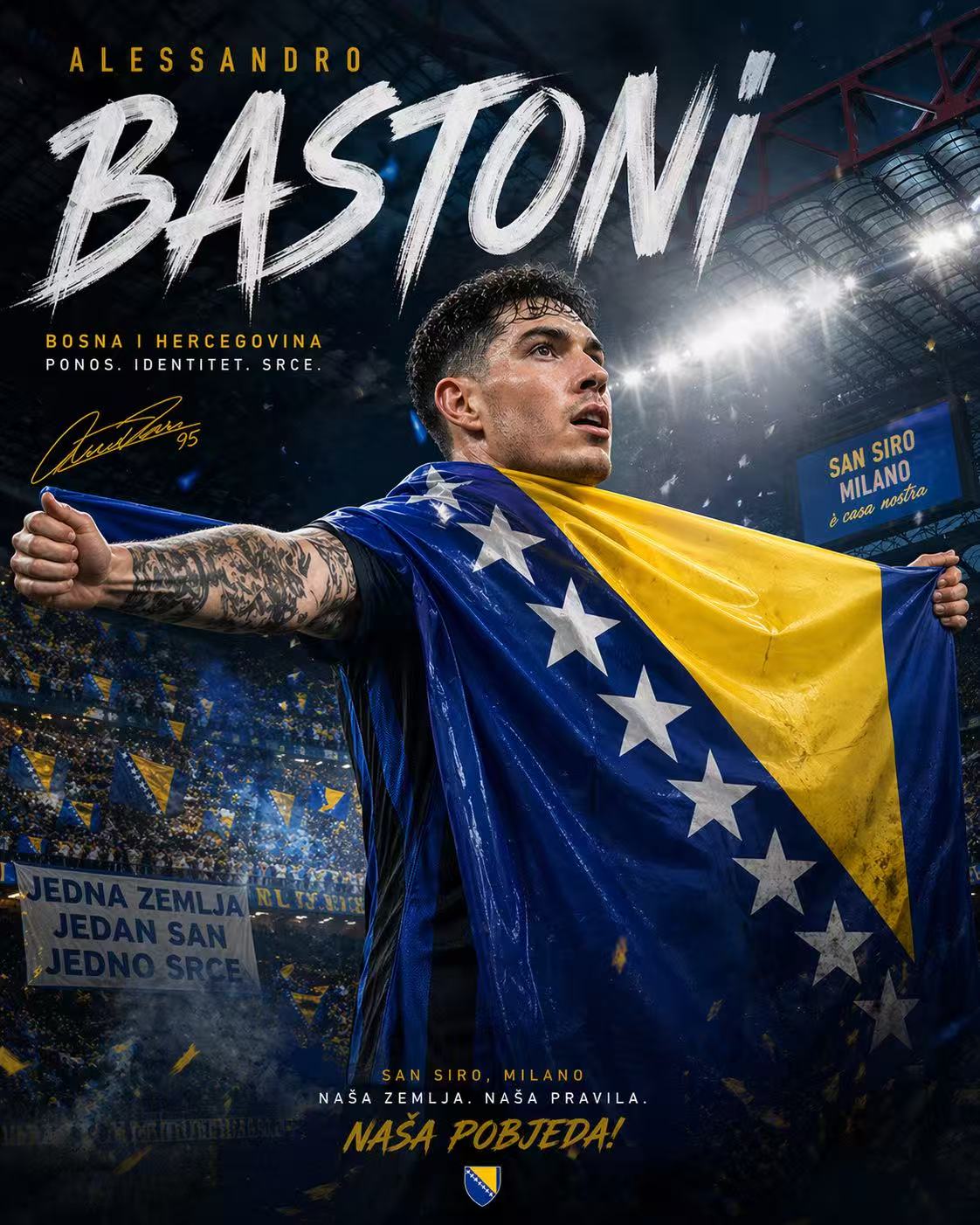 PRO03
PRO03Soccer-Themed Movie Poster
Generate a high-definition photorealistic poster in the style of a "soccer-themed movie poster": Inter Milan defender Bastoni stands at the center of the San Siro stadium celebrating passionately, arms raised high and draped in the Bosnia and Herzegovina flag, his expression fired-up, resolute, and confident…
Cup Pushed Off Table — Surface Tension and Splash
Sora 2 responds best to this kind of writing for 'physical realism' — using a dedicated `Physics:` section to call out surface tension, …
Minimalist Watch — 360° Rotation in 8 Seconds
The key to image-to-video is 'only describe the change, don't redescribe what's already in the frame' — this prompt uses five sections, `Transformation/Li…
Heavy Bag Boxing Workout — Sound Synced to Motion
Write the audio as a bulleted `Audio requirements:` spec — the bag-impact sound 'synced to the motion,' breathing, …
Late-Night Talk Show — Host × Entrepreneur Interview
The hardest part of a two-person dialogue is 'keeping both characters stable' — this prompt uses `[Character Cameo: …]` to separately lock in the persona of the host and the guest, …
Abandoned Library at Dusk — Melancholic Stillness
Mood pieces most easily turn into a pile of adjectives — this one instead uses five fields, `Mood / Atmosphere / Detail…
Desert Colossus Awakens — Multi-Shot Action Sequence
One prompt runs through four shots: a low-angle wide shot establishing the giant figure, a dolly-back retreat, a cut to handheld footage following the fleeing crowd, …
Starship Explosion Escape — Claustrophobic FPV
The tension in sci-fi action comes from 'the camera suffering along with the characters' — handheld FPV riding on the shoulder, a whip-pan catching a terrified face, …
Turn Long Text into a Traditional Chinese Knowledge Card
Breaks a piece of content into N key points, laid out as a Traditional Chinese infographic card with a title, bullet points, and labels, all rendered correctly.
Night Market Stall Sign: Vertical Menu with Taiwanese Neon Lettering
A signboard for a Taiwanese night market food stall, with a vertical-text menu, prices, and bold hand-lettered type — unmistakably Taiwanese with no garbled characters.
Instagram Carousel Cover System: Chinese Headlines, Consistent Look
A repeatable Traditional Chinese cover-card system with a fixed color scheme and type hierarchy — swap in a new headline and the whole account's visual identity stays consistent.
Nano Banana Pro Event Poster Template: Title, Date, Location, QR Locked In
A fill-in-the-blank Traditional Chinese poster template: define the layout hierarchy before adding text, and keep a safe zone around the QR code and logo so the background doesn't overwrite them.
Polaroid Reunion Photo: With Your Past Self, Handwritten Chinese Date
Composites two portraits into one vintage Polaroid — warm, faded tones, a white border, and a handwritten Traditional Chinese note — with special handling for Asian facial consistency.
FLUX.2 E-Commerce Product Mass Production: One Reference Image Locks the Look, Multiple Angles and Backgrounds for a Full Listing Set
Uses a real product photo as reference and locks the brand color via hex code, describing a white-background hero shot plus lifestyle shots and multiple angles in a single natural-language prompt.
FLUX.2 Brand Portrait: 85mm Backlit Magazine Look, One Style Scaled to Multiple Poses
Writes realistic portraits using camera-and-lighting language, locks in the likeness with a reference image, and mass-produces a stylistically consistent set of personal brand photos across different poses.
FLUX.2 Taiwan Street Scenes: Night Markets, Temple Fronts, and Arcades Without Turning Into Japan or Hong Kong
Uses a precise dictionary of Taiwanese elements to realistically generate night-market and temple-front scenes, with explicit exclusion lists to avoid a generic pan-Asian mishmash.
Golden-Hour Brand Portraits: Lock a Consistent Style with --sref
Midjourney v7 uses 85mm backlit portrait phrasing plus --sref to lock a brand's color tone, letting instructors, real estate agents, and solo creators shoot a whole visually consistent set of headshots in one go.
Authentic Taiwan Street Scenes: Night Markets, Not Generic Asia
Midjourney v7 uses a precise dictionary of Taiwan-specific elements (vertical neon signage, red lanterns, corrugated-metal arcades, scooter swarms) to avoid generating scenes that read as Japan or Hong Kong instead — for local-revitalization and food/tourism material.
Product Front Label + Packaging: Multi-Line Chinese/English Text, Rendered Exactly
Ideogram 3.0 creates front labels and packaging for food and handmade goods, rendering the brand name in Chinese and English side by side plus precise fine print for volume and ingredients — built for Taiwanese small-business food and craft brands.
Suno's Two-Field Split: English Style, Chinese Lyrics — No Dropped Lines
The fix for the most common pitfall among Chinese-language users. Put the style description in English in the Style field, put Traditional Chinese lyrics in the Lyrics field, and keep each section to 4-6 lines so the AI doesn't rush or drop lines. Includes three swappable scenarios: wedding songs, class songs, and shop theme songs.
Suno Lofi for Sleep and Focus: BPM-as-Physiology Plus the Exclusion-List Formula
A faceless-channel music formula for sleep, studying, and late-night companion content. Match BPM directly to physiological state — 50 for sleep, 85 for studying, 100 for driving — then use an exclusion list (explicitly stating what you don't want) for far more accurate results than vague mood descriptions. Includes a temple-chant healing style.
Udio Layered-Harmony Acoustic Duet
Uses Udio's strength in layered vocals and authentic-sounding acoustic instrumentation to generate a Mandarin acoustic duet with male and female leads and three-part vocal harmony in the chorus.